Hi there Help! Love, MOM tribe. I’m in the process of rebranding. The updated blog, Growing Somewhere: Faith, Family and Finances will be one that makes a positive difference in your faith, family and finances! Do consider subscribing.
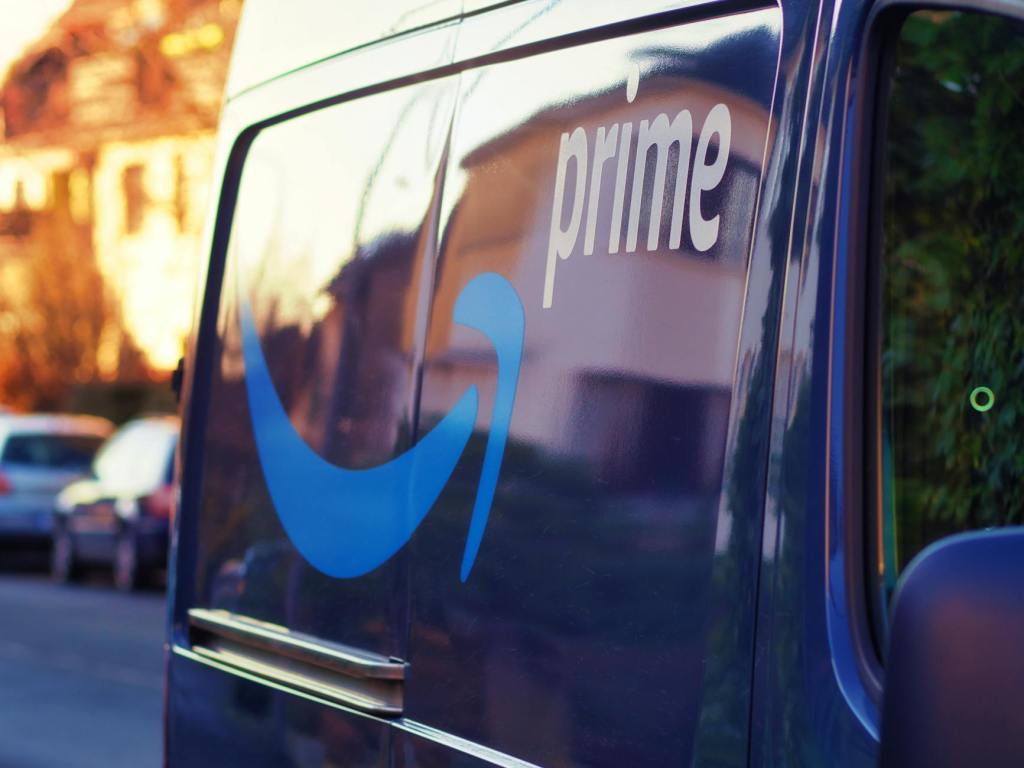
12.9 BILLION – with a B – dollars (Statista)! That’s how much Amazon made in sales in the U.S. alone as we shopped Prime Day 2023.
Since launching it in 2015, Amazon Prime Day has become a much looked forward to shopping experience. Think of Amazon Prime Day as the cool cousin of the “Christmas in July” sale that our parents and grandparents remember!
In fact, according to Capital One Shopping Research, partly due to the popularity of Amazon Prime Day, 29.3% of U.S. e-commerce retailers offered site-wide promotions to compete with Amazon including Walmart’s Walmart + Week, Target’s Circle Week, Best Buy’s Black Friday in July and Wayfair’s 72 Hour Clearout and many others.
Amidst the Prime Day excitement, potentially, there’s greater risk of becoming a scam victim.
However, armed with expert tech advice from the pros at Kim Komando , Techlicious, NortonVPN and Check Point here are 6 ways you can enjoy a safer shopping experience while guarding yourself against potential fraud. I’ll share 6 more on Friday.
1. Stick to Trusted Websites, Sellers and Apps:
Verify the Website: Ensure you are on the official Amazon website by checking the URL and looking for the lock icon next to the address.
According to Check Point in 2023, the number of fake Amazon websites ballooned leading up to Prime Day. They also report that:
Almost 1,500 new domains related to the term “Amazon” of which 92% were found to be either malicious or suspicious; and,
One out of every 68 “Amazon” related new domains, was also related to “Amazon Prime”. About 93% of those domains were found to be risky.
Make sure you download and use the OFFICIAL app:
NortonVPN has a helpful video to assist with this because, according to them, the Google Play Store and the App Store have fake apps in them sometimes. Please, download with caution:
Check Seller Ratings:
If buying from third-party sellers, review their ratings and feedback from other buyers. Little or no feedback? Check Point cautions that, you may have stumbled onto a fake site.
2. Consider Getting a Prepaid Credit Card Solely for Online Shopping
Techlicious advises “Don’t hook up every site to your main credit card account [when you could potentially use] a prepaid credit card. [Using a prepaid card] means that your exposure is limited if crooks get hold of it.”
3. Beware of Phishing Scams: avoid the unsolicited, unfamiliar and unbelievable
According to Kim Komando, phishing is a fraudulent practice of thieves posing as a reputable person or company in an email, telephone call, or text message in the attempt to gain confidential information such as passwords or credit card numbers.
Check Point, a cyber security solutions firm, reported an 8% overall increase in all Amazon related phishing in 2023.
Avoid unsolicited emails, unfamiliar sites or links, and unbelievable deals.
The main way to avoid phishing is to AVOID SUSPICIOUS LINKS:
In Emails and Messages: Be cautious of unsolicited emails or messages claiming to be from Amazon.
Verify their legitimacy by logging into your Amazon account directly instead of clicking on links provided in an unsolicited email or text.
On Social Media and Apps: according to Techlicious this is because an individual’s page can be hacked and an app may be faked.
Social media links can be super suss : even if you know the person or company, exercise caution on socials.
4. Use Strong Passwords and Enable Two-Factor Authentication: I know it’s a pain but, seriously, better safer than sorry.
Secure Your Account:
Use unique (that is to say, a different password for every site on which you make purchases),
Complex passwords (eg, not Welcome1); and,
Enable two-factor authentication for added security. This makes it harder for hackers to access your account.
Use STRONG Passwords: Check Point says that compromised passwords are responsible for 81% of hacking-related breaches.
They also say that using strong passwords is one of the easiest ways to protect your accounts and to keep your information safe.
Tech experts also recommend that you utilize a password manager to help you keep track of all these passwords that you are, as of right now, going to start using.
Here are some password managers apps recommended by Kim Komando.
5. Pay Securely, Pay Privately:
Use Trusted Payment Methods: Stick to secure payment methods like credit cards (not debit cards) or PayPal, which offer buyer protection in case of fraud.
I’m training myself and the experts agree that we should be looking for the lock symbol next to the web address, especially on payment pages.
This indicates the site has a secure sockets layer (SSL) encryption installed.
However, you should know that, lately, fake PayPal and other sites have been utilized to scam folks out of large amounts of money by criminals.
These fake websites are often able to place high in search leading the unsuspecting to click or tap and divulge sensitive information.
Pay Privately: Use a VPN or a private web browser, I have had great results lately switching my browser to DuckDuckGo.
NortonVPN says that
VPN stands for “virtual private network” — a service that protects your internet connection and privacy online.
VPNs also creates an encrypted tunnel for your data and it will protect your online identity by hiding your IP address, and allow you to use public Wi-Fi hotspots safely
Avoid Wire Transfers: Never make payments via wire transfer or direct bank transfer, especially to unfamiliar sellers.
Lately, PayPal and other popular websites, have been utilized to scam folks partly through the use of fake websites being able to place the fake site high on search engines making it more likely that people will utilize the false site.
6. Be Wary of Unrealistic Deals:
Does It Sounds Too Good to Be True? Exercise caution with deals offering excessively low prices or discounts on high-demand items. Scammers often use our own desires to help them to delude and distract us into deception.
I’ll be back on Friday with 6 more ways to be safer online as you shop Amazon Prime Day. What’s been your Amazon Prime Day experience? Let’s talk about it in the chat.
Growing in Cybersafety!
xoxo Kimberly





 Help! Love, MOM
We’d love it if you’d leave a comment.