
Initially, you get what you get and you don’t get upset is the rubric I used to process the news from Royal Caribbean: our vacation itinerary would include Haiti.
It was the summer of 2007 and my family and I went cruising. I had never vacationed in this manner before and for a minute it looked like we wouldn’t do so then, either.
A hurricane in the Caribbean threatened our long-anticipated trip.
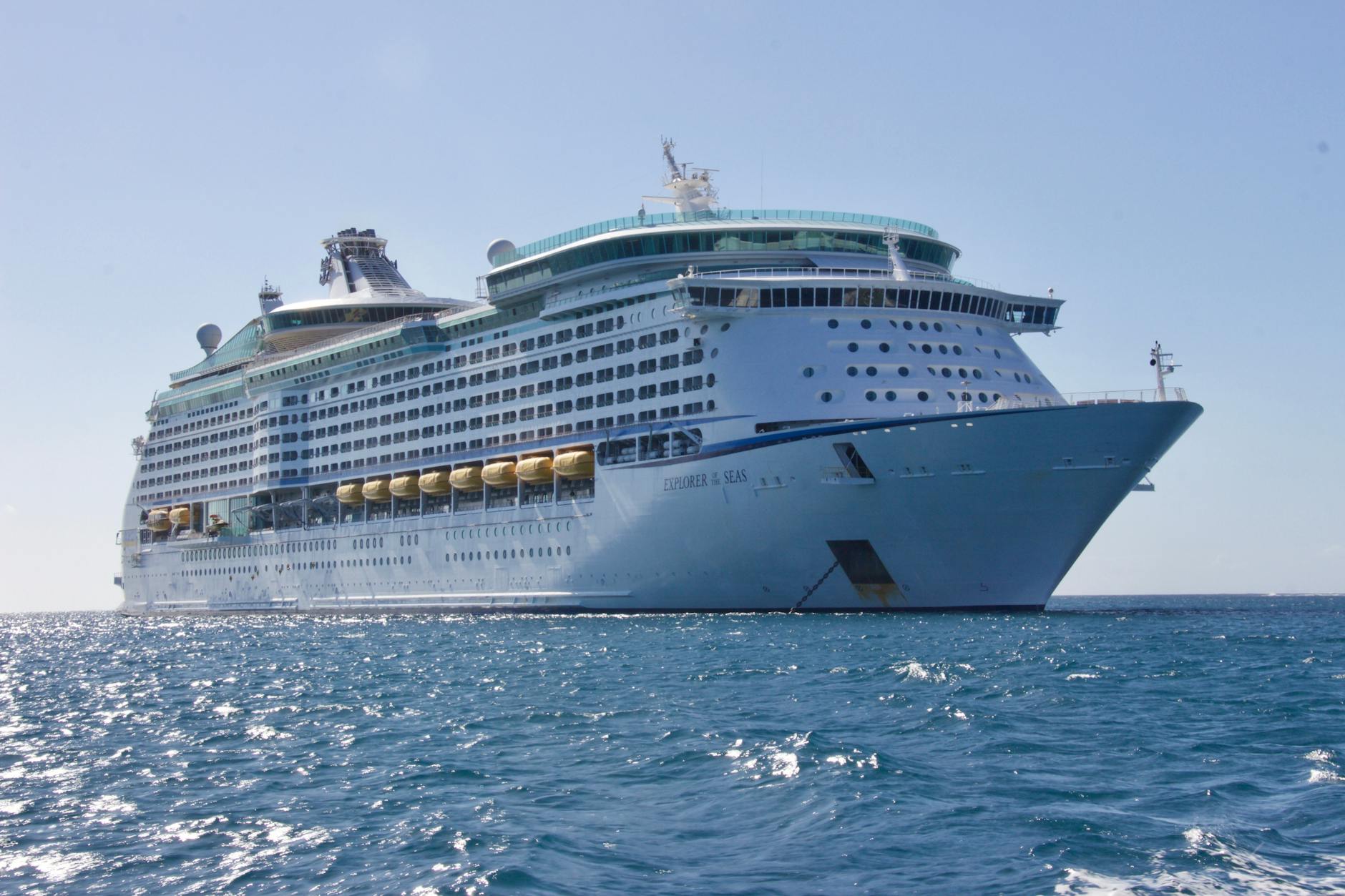
However, when I discovered that cruise lines try to accommodate threatening weather by providing an alternate destination and that ours would be Haiti, I remembered a lawyer I met some years before.
Haitian – born, at some point in our day, she disclosed that she was looking forward to spending time at her family home during the coming summer.
I remember being shocked.
ME: “Why would you travel to Haiti?”
ME: “Snap! You can travel … to Haiti?!”
ME: “Having “escaped” how is it that you want to return to such a dark and dangerous place?”

The Lawyer: (said while trying to disguise a you ignorant-American look) What you hear about Haiti on the evening news is not all there is to know.”
She went on to tell me that she, a lawyer, was educated both in Haiti and in the US; and she continued to split her time between Haiti and the US.
To the Ignorant American, ie, Me, she graciously responded that she comfortably and happily regularly travelled between her adopted and her birth home.
It was the most natural thing for her to do.
I remembered her and what she’d revealed to me when the cruise itinerary shifted.
Presented with the unexpected opportunity to travel to Haiti, I warmed to the idea.

Now having traveled there: I completely agree: What you see on TV is not all there is to Haiti.
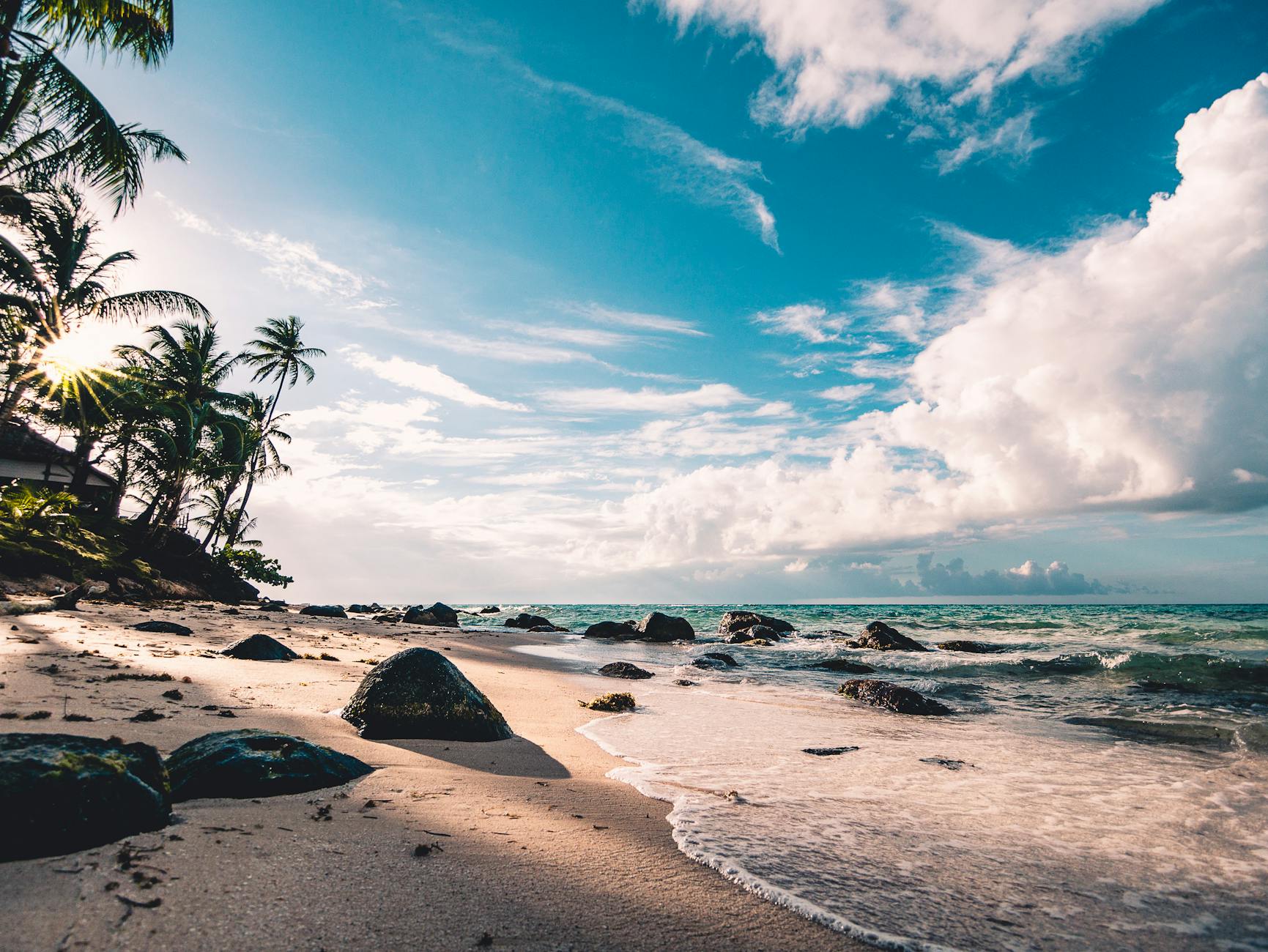
That partly cloudy morning our ship docked did nothing to prep me for Haiti’s luscious vegetation.
I purposely went out on deck early to “greet” Haiti and I cried in response to the almost transcendent beauty.
The sight of the green hillside, which, though lightly robed in fog was also, counterintuitively, shot through with intermittent, brilliant sunshine.

The hillside, the sunshine, the beach are among the most beautiful sights of my life to date. More than that, during my few hours in Haiti, I felt at home.
Maybe that feeling of coming home has contributed to Haiti’s many crises.
National “others” have visited Haiti, felt at home and exerted considerable effort to dispossess, discredit and to dehumanize Haitians.

Indeed, according to experts interviewed by Vox, “ugly attacks [on Haitians] are the byproduct of [centuries] of anti-Black racism and xenophobic sentiment.”
These have been in play since the earliest days of Haitian independence.
For example, in 1804, Haitians successfully overthrew colonial rule and enslavement by France. However, the US did not recognize Haiti’s independence for nearly six decades out of concern that America’s enslaved population would also revolt.

After the Haitians’ successful revolution, France used military force to demand financial restitution for loss of the colony.
The fledgling Haitian government was forced to borrow money. The US and France provided those loans.
However, France and the US used the power of the purse to exert manipulative control over Haiti’s finances.

A New York Times investigation indicates that reparations to France cost Haiti’s economy in, US dollars, $21 billion.
It is widely believed that the principal repayment, interest and fees associated with servicing the loan has directly contributed to the poverty and financial problems that still plague the country to this day.

Vox goes on to explain that the US also occupied Haiti by force from 1915 to 1934, more than a century after its successful revolution, under the flimsy justification that it was there to ensure political stability following the assassination of multiple Haitian presidents.
- There are historians and political scientists who believe that America’s goal was to ensure that European nations would not gain influence and exploit Haitian resources for themselves.
- The US set up a system of forced labor that, to some, looked like a form of slavery which exploited rural farmers, in particular, and sold Haitian land to many business entities in corporate America.
A short list of racist bullying and discrimination perpetuated on a national scale against Haiti by the US include:
During the AIDS crisis Haitians, to a greater extent than others, were thought to be carriers of the virus. They were part of the infamous 4 H group, the other 3 being: hemophiliacs, heroin users, and homosexuals who were thought to have greater risk in transmitting AIDS.
The torture and ill-treatment of Haitian asylum seekers; Haitians among other groups have been brutally treated , and have faced standing policies of “cruel, inhuman or degrading treatment” according to Amnesty International.
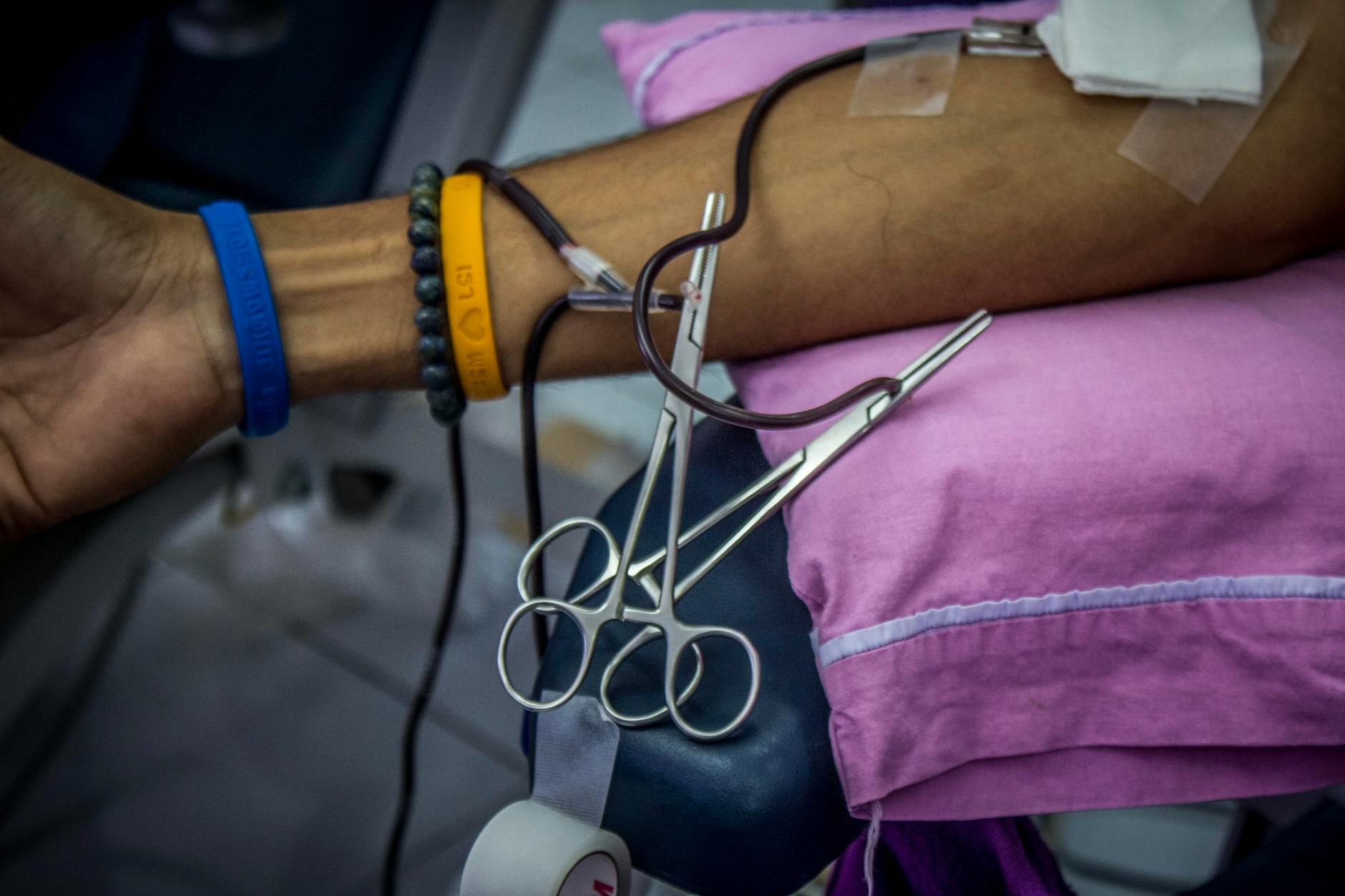
For many years, Haitians and travelers to Haiti could not donate blood. I experienced this personally. For a year after my trip I could not donate blood. Previously, I donated regularly.
I was pleased to find a review of Labadee (the Royal Caribbean owned beach I visited in Haiti) while conducting research for this blog post.
The travel writers visited in 2016, almost a decade after I did. They, overall, favorably reviewed Labadee, and, casually comment:
“There are several activities in Labadee (which the bloggers declined to partake in. Extending the thought as to which available activities appealled to them they continue with] we considered snorkeling, but the waters around Haiti are not known for coral reefs.
Adventures For Two (2016 blogpost)
And we read that swimming in those waters disqualifies a person from donating blood – we figured we’d rather play it safe. “
Clearly the idea of disease and Haiti were still closely associated almost a decade later.
You’re likely familiar with ear worms. Stay with me, please.
An ear worm is how we describe the sensation of when, usually, a piece of music you’ve heard is “stuck” in your head.

You just keep hearing it. Often, there is one segment of the whole piece that keeps turning over in your mind.
Simultaneously annoying and “sticky,” ear worms are hard to dislodge.
The ear worm, that is, the long running stigmatization of Haiti wound it’s way into an otherwise, positive post.
While, I believe, inadvertently, the blog writers repeated a slanderous statement about Haiti, the music, so to speak, that created the ear worm was composed in the US.
Injuriously, sadly, and surely, America has vilified Haiti, Haitian immigrants and Haitian-Americans for two centuries.

The hypocrisy is that America has benefitted from Haitians’ labor, genius and their true desire and ability to fully exploit the promise of the American dream as other immigrant groups have.

This last episode re: the mostly legal immigrants in Springfield, Ohio should be exactly that, the last heinous and libelous example and episode.
No more belittling and badgering Haiti. As a nation, let’s help not harm the powerful country of Haiti, rich in natural resources, potential and people.
YH8 Haiti?
Blessings!
Kimberly






 Help! Love, MOM
We’d love it if you’d leave a comment.