He who gives to the poor will lack nothing,
but he who closes his eyes to them receives many curses. Proverbs 28:27 NIV
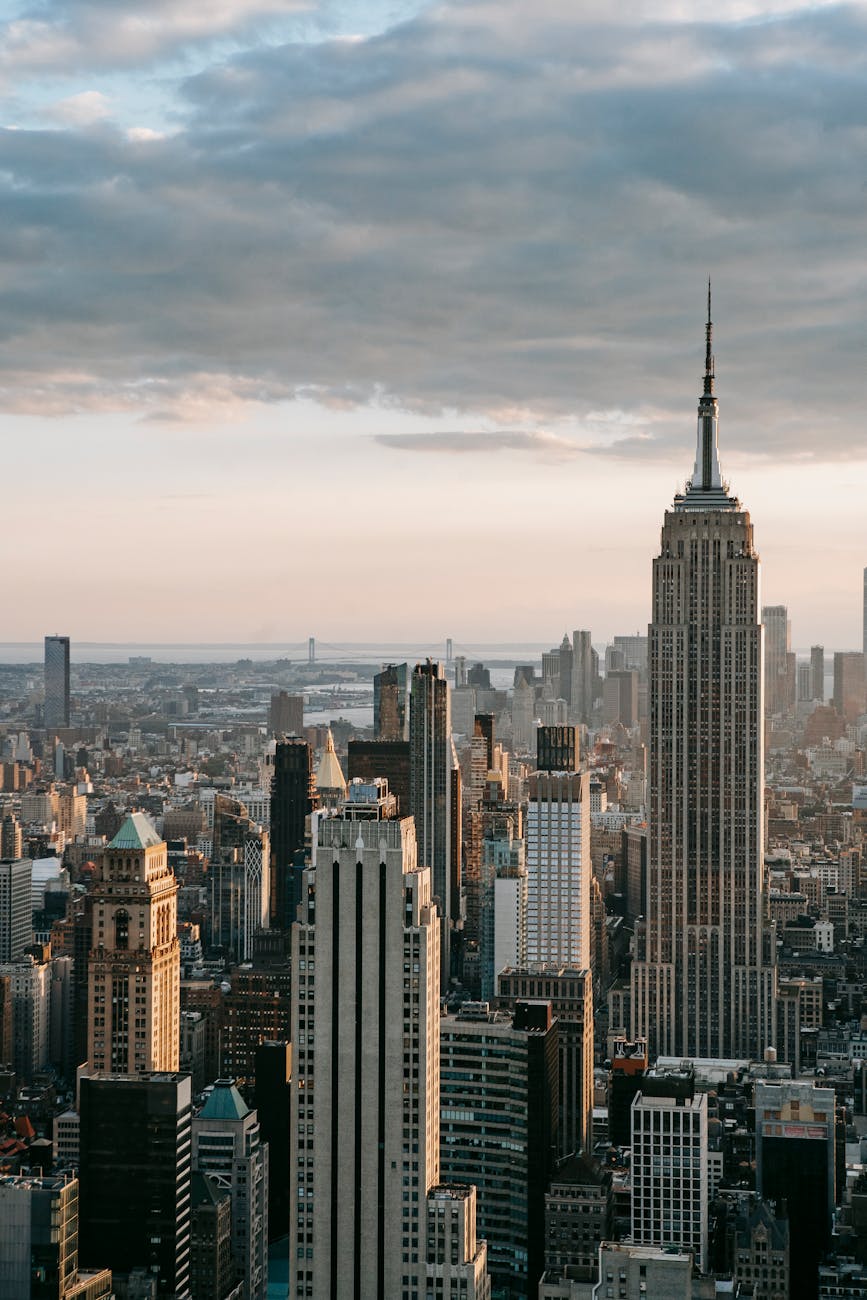
PROUD, life long New Yorker here.
I love our parks where one of the funnest summer pastimes is to peep a pick up basketball game – EXCITING!
NYC has the best pizza – ours has a thin but not too thin, crunchy crust with tasty tomato sauce and generous but not overwhelming mozzarella cheese.
Piraguas are another fav. Piraguas are cupped shaved ice treats topped with flavored syrup. Make mine pineapple. YUM!
More typical NYC sights are dope too: Broadway lights, sky scrapers, diverse crowds of people wearing everything from corporate style suits to tank tops and flip flops, hijabs or burkas.

I love the locals and the paparazzi. And, when they sidestep to snatch snaps, I even tolerate tourists. A joke – I love you guys too. ; )
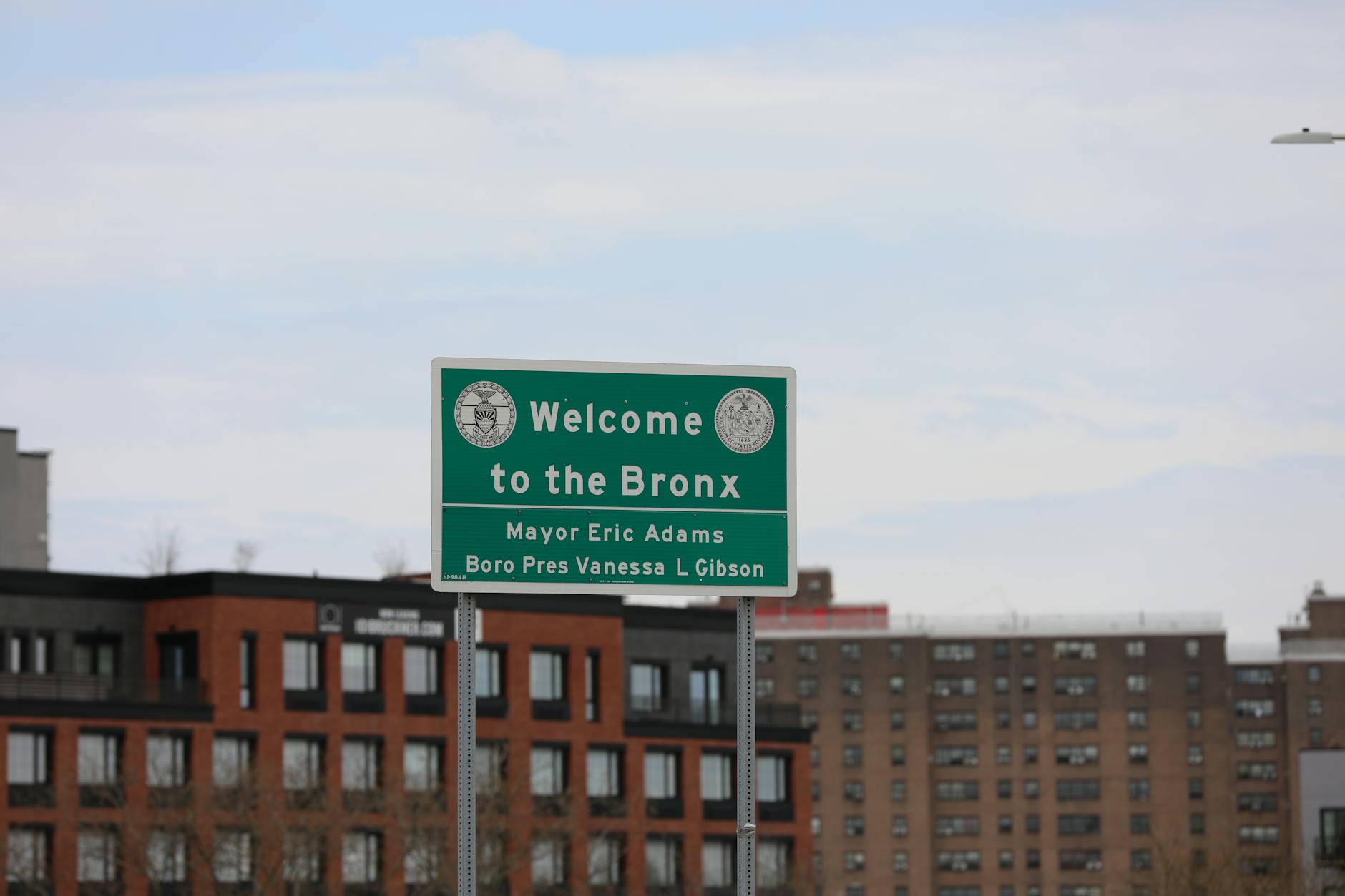
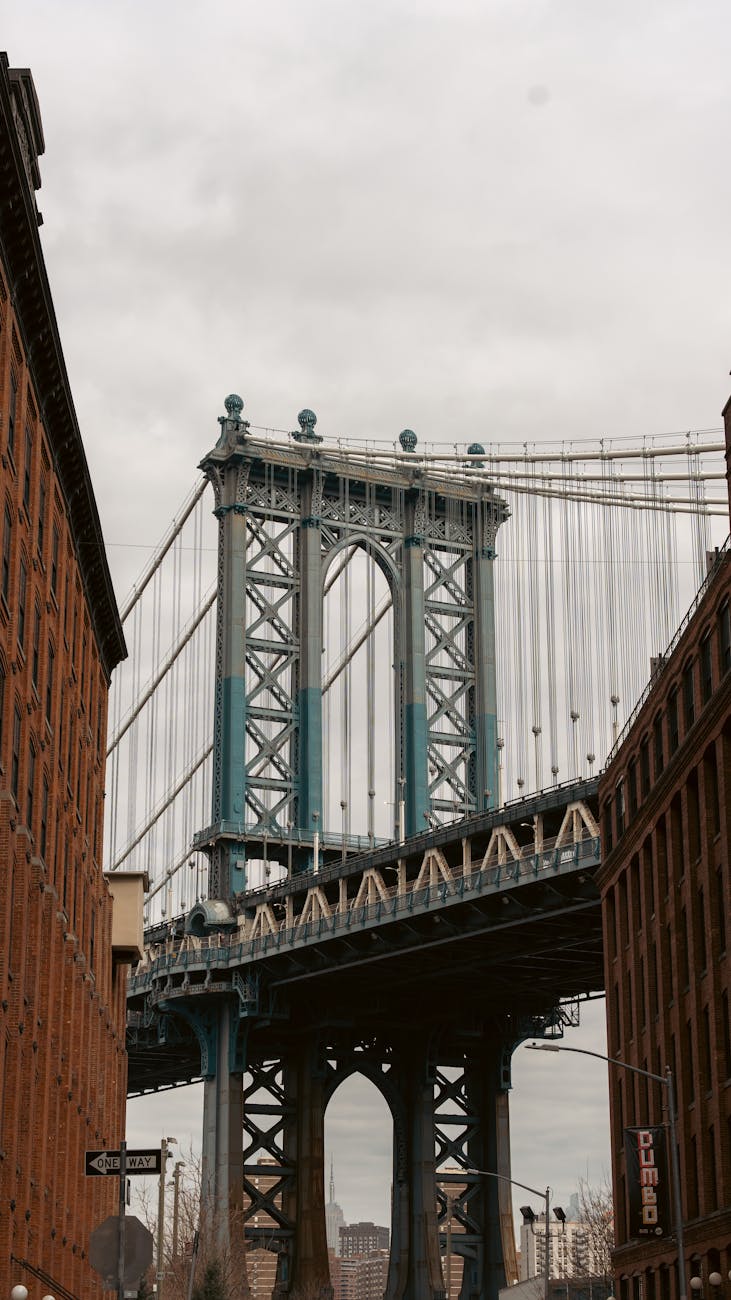
My sophisticated downtown Manhattan, my gritty and beautiful Bronx, my People’s Republic of Brooklyn, my Rappers’ Paradise, Queens and my far, far away and worth every mile Staten Island – mine, mine, mine.
Like the vintage commercial: I LOVE NY!
What I don’t love about NYC, though, is that you need major cash to live here in peace, Midtown Manhattan and maybe now parts of Brooklyn being the most expensive of all.
Said plainly, it’s tough to live in NYC for some of us. Let’s call it an “affordability gap.”
According to a CBS News report, recent data underscores just how serious the affordability gap has become. CBS reporting says that a single adult now needs about $158,954 annually to live comfortably in New York City, while a family of four would need nearly $337,875. Yikes!

Working my teaching job in NYC in 1995, I made about $34,000.
I queried Google, “I made $34,000 in 1995. In 2026 dollars, how much is that?” And the “survey” said $72,904. Almost $73k is much less than half of what is reportedly needed to live comfortably in New York City according to CBS..
This widening gap highlights a broader, if you will, cost-of-living crisis, where essentials like housing, transportation, and food consume an ever-larger share of income, leaving little room for savings or upward mobility.
This was definitely the case for me when I was a new professional with a young child.
Although I lived at home with my parents for a long time, life was a frustrating, grinding struggle filled with counting coins, side jobs and persistent worries about our finances and future.
Through it all God was faithful; He proved Himself to me over and over again, but, still, I do not look back on those days fondly.
Against this backdrop, the One Big Beautiful Bill Act (OBBBA), officially, Public Law 119-21 introduces additional economic agita for many urban residents.
While the legislation includes tax cuts and expanded credits for some households, it also makes significant reductions to safety-net programs such as Medicaid and SNAP (food assistance), alongside additional work requirements to obtain benefits.
Some analyses of OBBBA suggest that these changes could lead to millions losing health coverage and reduce financial resources for lower-income households, even as higher earners benefit from tax provisions.
In a high-cost city like New York, where many already rely on these programs to bridge the gap between wages and expenses, such cuts are likely to deepen existing inequalities.
Urban centers like San Jose, San Francisco, and Boston face similar dynamics, where, according to CBS reporting, six-figure salaries are increasingly the baseline for financial stability.
In effect, the OBBBA may exacerbate a two-tiered urban economy nationwide: one for high earners who benefit from tax relief included in the legislation, and another for working- and middle-class residents navigating rising costs with fewer public resources cavalierly left out of the legislation.
I ask again, who are we if we do not support the poor?
Ultimately, therefore, it appears that we are grappling with an accountability gap not merely an affordability gap.
I believe that, ultimately, addressing the economic challenges of city life will require not just individuals and families adapting to the new realities, but the federal, state and local executive plus legislative will to create and implement policy solutions that better align wages, benefits, and the real cost of living especially for the poor in rural, suburban and in America’s most expensive urban centers.
What are we doing as a society to lift citizens out of poverty? What are we doing to make accomodations for the poorest, for those who are struggling? To whom are politicians accountable when they ignore the needs of citizens?
Because I couldn’t afford to move out, in my case, I lived at home for a long time.
As a Christian, I believe that the LORD guided me to affordable housing.
I advocate for creating pathways toward affordable housing, food assistance, financial aid and other essential resources.
These increased my income, allowed me to earn degrees that helped me secure gainful employment, which in turn and in time helped me move out, move on, and become a greater contributor to society, for which I am forever grateful.
If OBBBA were in effect then, we might have altered economic outcomes now.
We’re not poor anymore, thank God; but, I’ll never forget the years when we were.
Many of our politicians today say that they are Christians. According to the Bible, some of the proof of that religious profession is evidenced by the state of the poor.
How would it be if our politicians ensured quality pathways to a better life?
Speaking of a great king (or politician) the prophet Jeremiah writes:
He defended the cause of the poor and needy,
and so all went well.
Is that not what it means to know me?”
declares the Lord. Jeremiah 22:16
Regarding affordability: New Yorkers, there are resources available.
In addition, our local church has a pantry that operates every other Thursday. The next dates are April 9th and 23rd, 2026. Other religious and charitable organizations offer pantry services as well.
Blessings!
Kimberly


 Help! Love, MOM
We’d love it if you’d leave a comment.