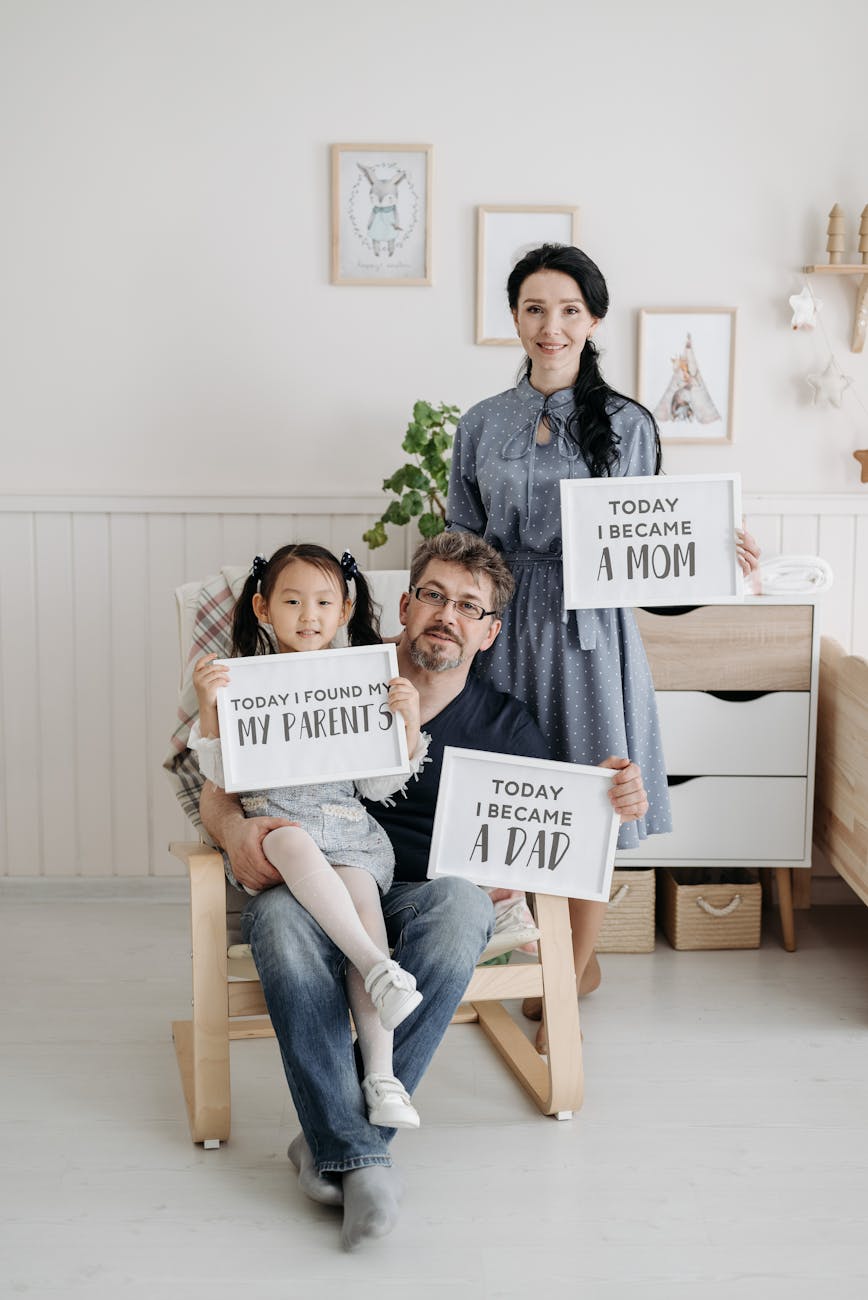
See what kind of love the Father has given to us, that we should be called children of God
1 John 3:1 a – English Standard Version
One of my dad’s stock phrases whenever the subject of other people’s children came up was, “If you love them — the “them” we understood to be children who are not yours by birth — they will look just like you.” More about this at the end.
What is at least one thing that Vice President J. D. Vance and Olympic medalist and track star Sha’Carri Richardson have in common? They were adopted.
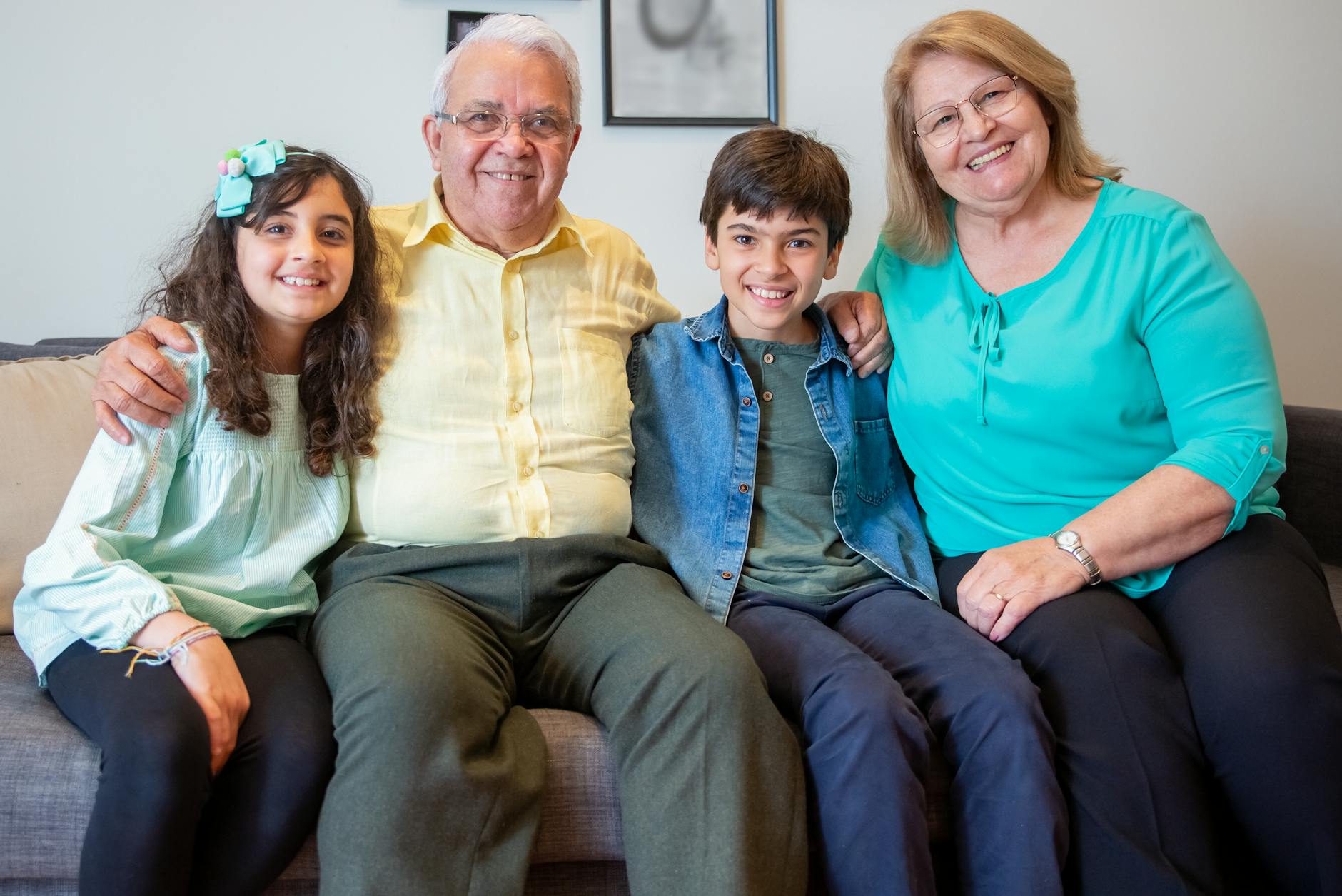
Adoption is defined as the action or fact of legally taking another’s child and bringing [him or her] up as one’s own, or the fact of being adopted
Straight forward in definition but, potentially, fraught with complexity in real life.
Indeed in most cases, adoption in America is a deeply emotional, yet nuanced experience, the effects of which vary depending on personal circumstances, the openness of the adoption, and the level of support each person receives.

When I look at the early life of the Vice President and of the Olympian, I see places and opportunities for shipwreck and insurmountable upheaval. Their early lives, especially prior to adoption, did not point seamlessly toward accolades and endorsements and a national stage.
How did these very different people arrive at a place in life where they manage and appear to enjoy amazingly successful lives?
Perhaps presumptuously, I have some thoughts. But first, let’s look at the types of adoption highlighting one specifically.
Types of Adoption
Domestic Adoption: This is the adoption of a child within the same country. These can be facilitated through public adoption agencies, private adoption agencies, or independent adoptions. Domestic adoption can be very costly.
International Adoption: Involves adopting a child from another country. It requires navigating both the child’s country’s adoption laws and those of America. Due to changing rules and thoughts about foreigners adopting along with the inherent expenses, adoptions of this type have been decreasing.
Foster Care Adoption: This type of adoption involves a child in the foster care system who is adopted by their foster parent(s), or, they may be placed later when the child becomes available for adoption usually after the biological parents’ rights terminate.
Adoption fees are usually not incurred by the adopting family. The children available from foster care for adoption tend to be older, and, may have been abused, neglected or otherwise traumatized.
Relative or Kinship Adoption: This occurs when a child is adopted by a family member, such as a grandparent, aunt, uncle, or sibling. This type of adoption may be a court-involved, formal arrangement, but, is also highly likely to be informal. These children may be available to be adopted due to traumatic circumstances such as the death, addiction, mental or physical disability, or, long term incarceration of the birth parent.

It must be noted that adoptions of all types may have arrangements where the birth and adoptive parents have some level of ongoing contact, which typically include communication, gift exchanges or in-person visits. This is considered an open adoption. The degree to which the adoption is open is negotiated.
However, the adoption may alternatively be closed. In a closed adoption, there is no contact between the birth parents and the adoptive family, and the adoption records are sealed.
Closed adoptions have been associated with more negative impacts for the adopted person(s) than open adoptions.
Race and Culture as Important Factors of Adoption
In international or transracial adoptions, parents may face challenges raising a child from a different cultural or racial background.
They may need to work harder to resist parenting as if there is no racial difference between themselves and their adopted child(ren).
They will need to ensure that their adopted son or daughter feels supported and connected to the language of their birth family, and to persons of a similar background and heritage which will help the non-white adoptee develop a positive sense of racial identity.
The adopting family may also need to educate themselves to understand life through the eyes of their child, the realities of microaggressions, and the fact that little non-white people are often, but not always, not viewed as threatening in the way that larger non-white people may be perceived.
In other words this education of the adopting parents should, ideally, be ongoing as the child will need their support to different life experiences as they mature.
These can be extremely important factors — big things — in a successful adoption.
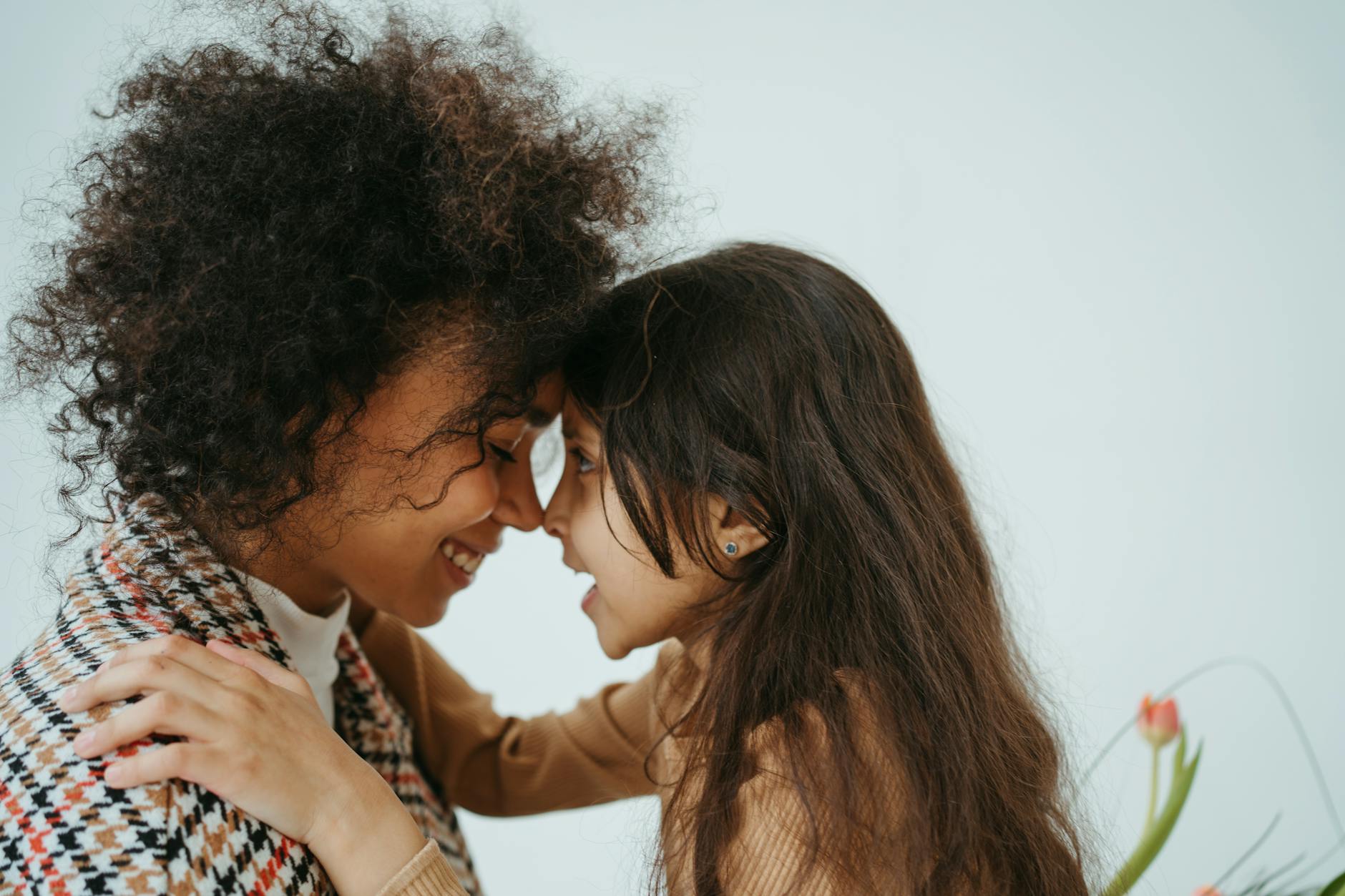
Aaaand, the little things count as well.
For example these parents may also be challenged to, find quality hair and skin care products along with a great barber or salon, which are “small” but important things in a non-white child’s life.
Concerns large and small, that is to say – BOTH – seem to count, a lot, according to columnist and author Rebecca Carroll.

Carroll’s insight is not based not on the fictional portrayal of a character in a popular TV show, the award winning NBC family drama, This is Us, but rather on her factual, lived experience of being the black, adopted daughter of a white couple.
Carroll comment implies that it’s the “big and little things” which are needed to successfully parent a child of another race.
So while it is entirely realistic for a black mother to step in on behalf of a black child whose white parents don’t appear to know how to meet their [child’s] basic hygienic needs (indeed, I would have benefited from one such black mother), it is also pandering to white liberals who think all they need to know in order to raise a black child is how to manage razor bumps.
Rebecca Carroll – What This is Us Gets Right about Being a Black Kid in a White Family, Slate.com
While neither Vice President Vance’s nor Ms. Richardson’s kinship adoption present the added dimension of race, certainly their birth parents’ addiction or absence was a “big thing” in their lives.
If true we, then, beg the question; “Which big and which small things need adoptive parents’ best attention?”
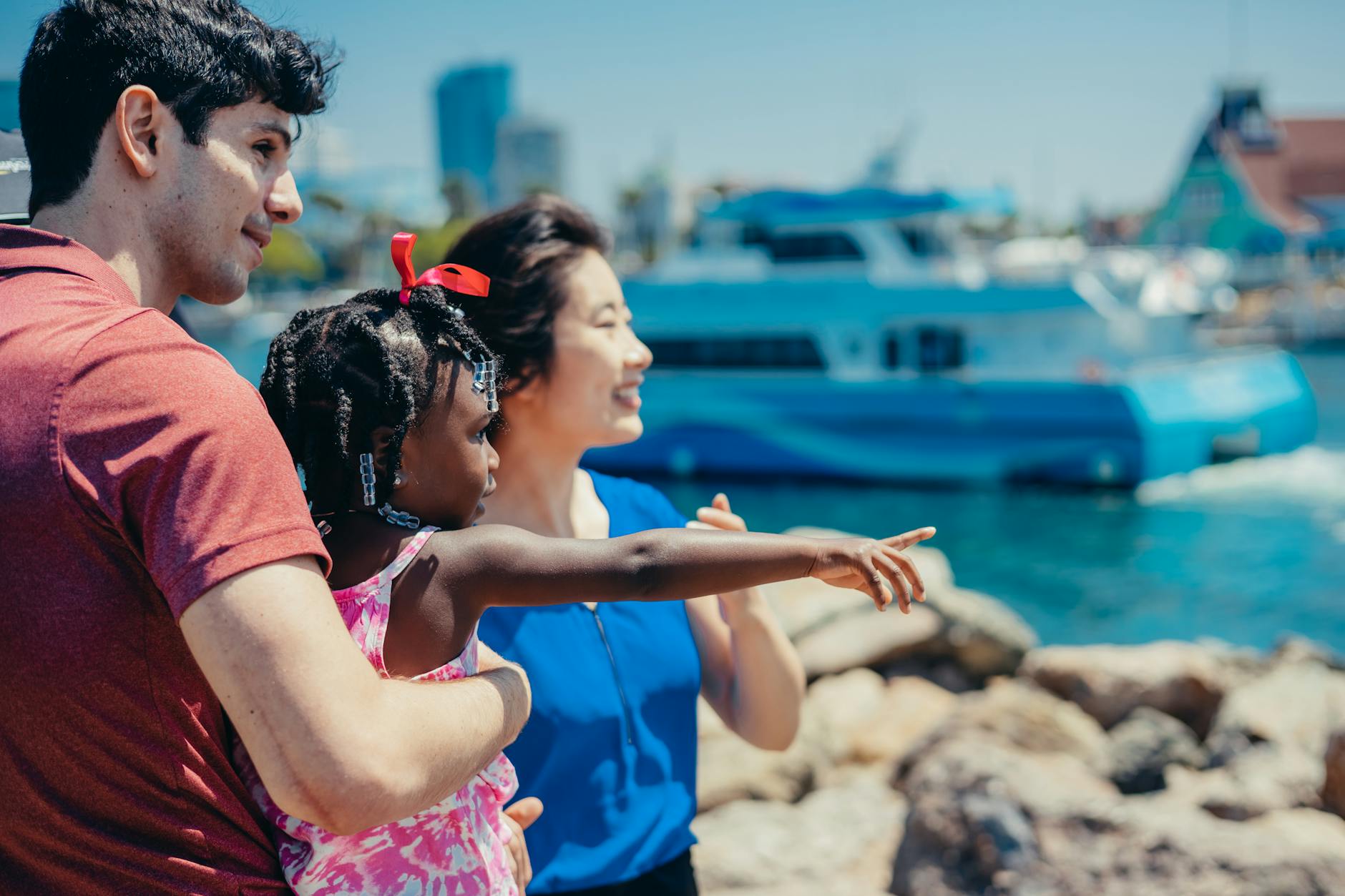
It appears to me that both Vance’s and Richardson’s adoptive parents did at least one major thing in such a way that favored and prepared them for their achievements to date in life.
I further suggest that many adoptive parents of successful children behave similarly.
First, let’s revisit the scripture:
1 John 3:1 See what kind of love the Father has given to us, that we should be called children of God; and so we are. The reason why the world does not know us is that it did not know him. We’re only going to look at the first sentence.
See, in its original language means just about what it does in English, ie
~ to see either with one’s physical eyes, or,
~ to perceive or understand with the mind or heart, or,
` to become acquainted with by experience.
We must then think, what is there to see? What are we meant to perceive? What am I to experience?
We are being asked to see, perceive and experience the kind of love, that is to say, the type of love which the Father, that is God the Father has lavished on Believers.

Extremely popular, non-Bible readers may also be familiar with the phrase, “God is love.” The entire verse is from 1 John 4:8 which says, “Anyone who does not love does not know God, because God is love,” English Standard Version.
The writer is John, one of the 12 Apostles.
Apostles are men who saw Jesus the Christ with their own eyes and whom Christ Himself, gave the title of Apostle .
John, inspired by the Holy Spirit, also wrote letters to various groups of Christians or Believers.
These letters exist today, and, along with the writings of others, like the Apostle Paul’s letters were Holy Spirit inspired and comprise the Bible.
1 John 3:1 suggests that the kind of love God has for Believers is, in human terms, beyond comprehension and reasoning; it can hardly be credited or understood.
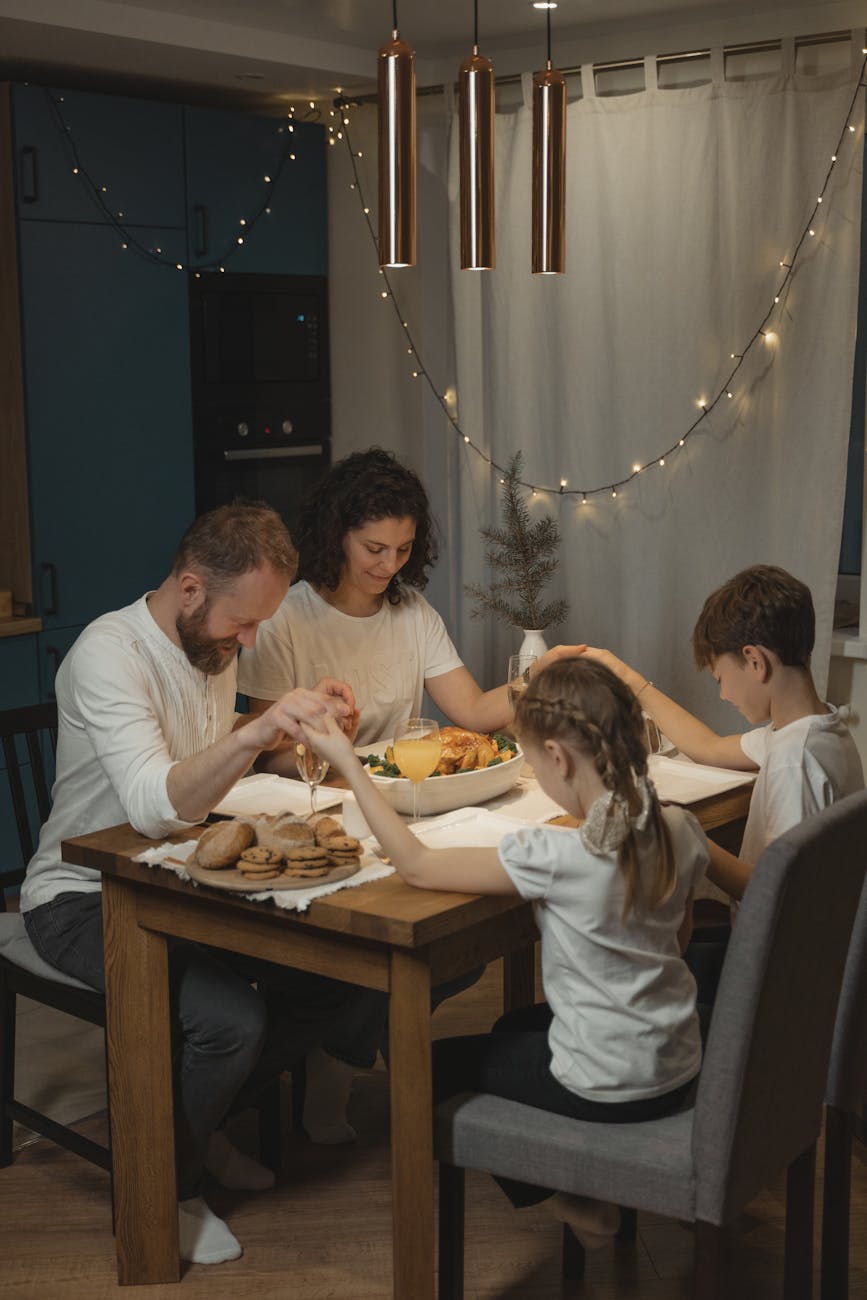
The much beloved, late founding pastor of Redeemer Presbyterian Church in NYC, Tim Keller, said it often, “We are loved [by God] more than we can possibly imagine.”
While hard to believe, God’s love can be received by anyone by faith in the God of the Bible who offers it.
This is a love that God demonstrates, shows, gives as proof of His eternal commitment to those who respond to Him in faith.
I am suggesting that VP Vance’s grandparents demonstrated, if you will, a “God” kind of love to the future best-selling author and electrifying politician when he was an unknown kid with an addicted mom.
I am suggesting that Ms. Richardson’s aunt and grandmother allowed a future track star and Olympian to experience a “God” kind of love when she was just a kid whose mom did not raise her.
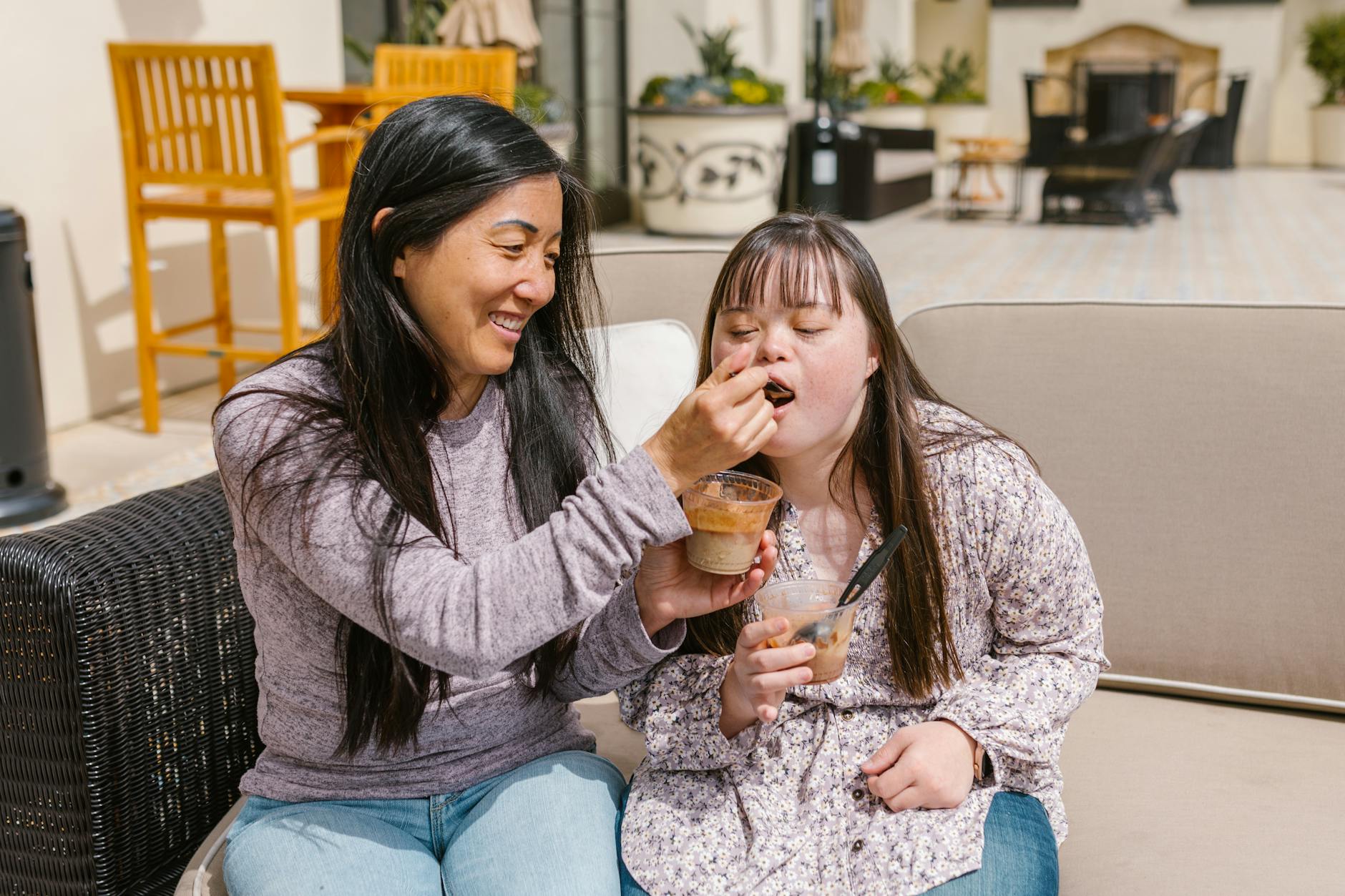
Have you ever seen grandparents or aunts who loved their grandchildren or their siblings’ kids?
Then you have likely witnessed the fiercely possessive protection that may accompany love. Enter the Mama Bear, or, in this case, God the Father.
The scriptures indicate that this analogy is a pale imitation of the love that God has for His children. But in our life time, this kind of love is not merely powerful; it may also be transformative.
It’s a “God” kind of love.
Oh, to be sure, filled to the brim with faults and the fruit of our self deceptions: human love often goes left. You and I have seen love careen off course into licentious, lascivious torrents: too much freedom, not enough maturity, too many toys, too much alone time.
Nevertheless, human love, much more often is right in choosing to give itself away to little folks and to the large ones whom we may or may not judge as deserving of the gift.
Certainly none of us deserve God’s love.
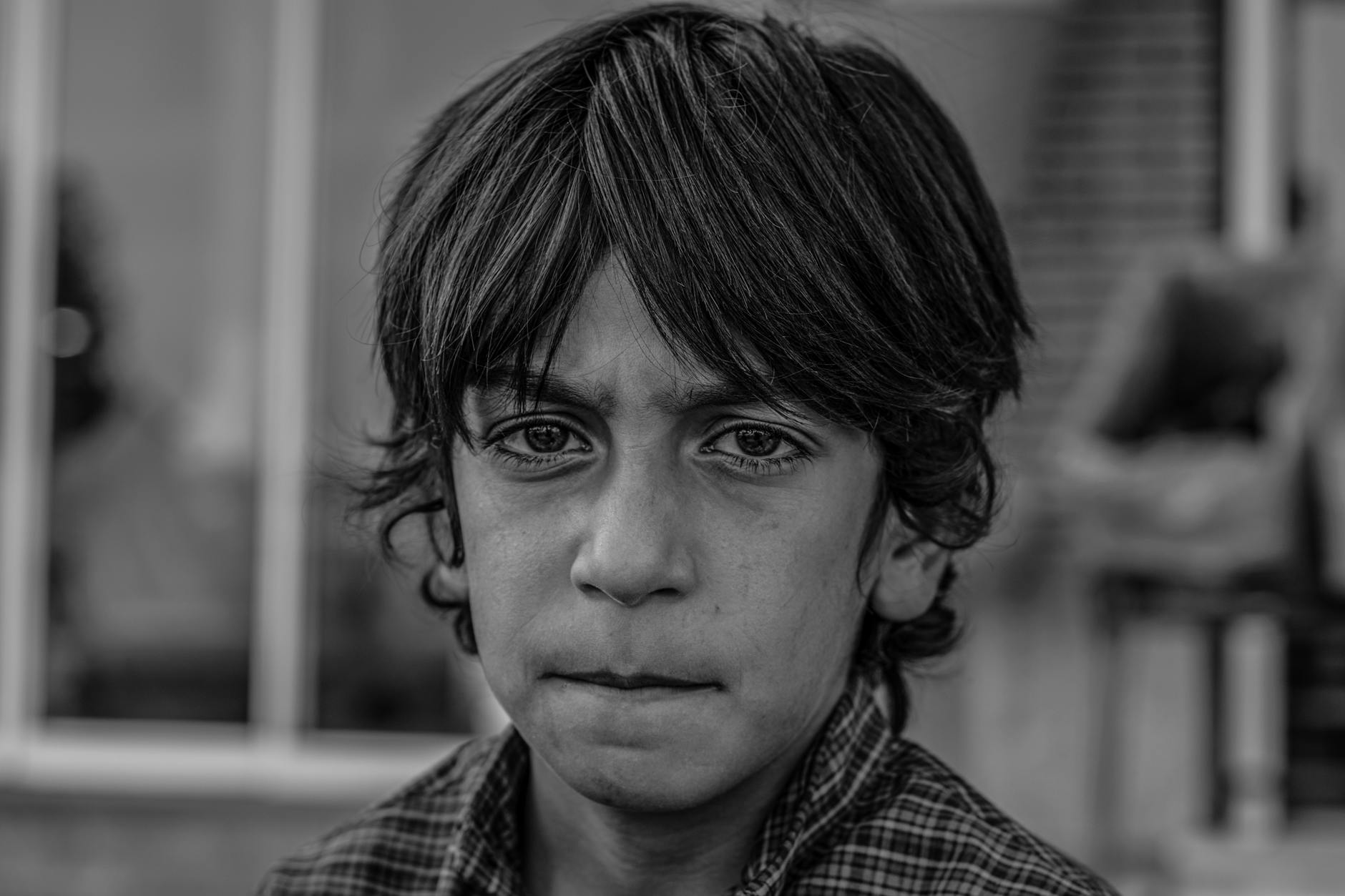
It appears that, rooted in the soil and the protection of love provided through kinship adoption, Vance, Richardson and every little kid who had (or has) the incredibly bad break of crummy parents can, nevertheless, grow into a fine person.
Adoption may not be for you, personally, but do you know anyone who was adopted formally or informally? Would you consider sharing your story?
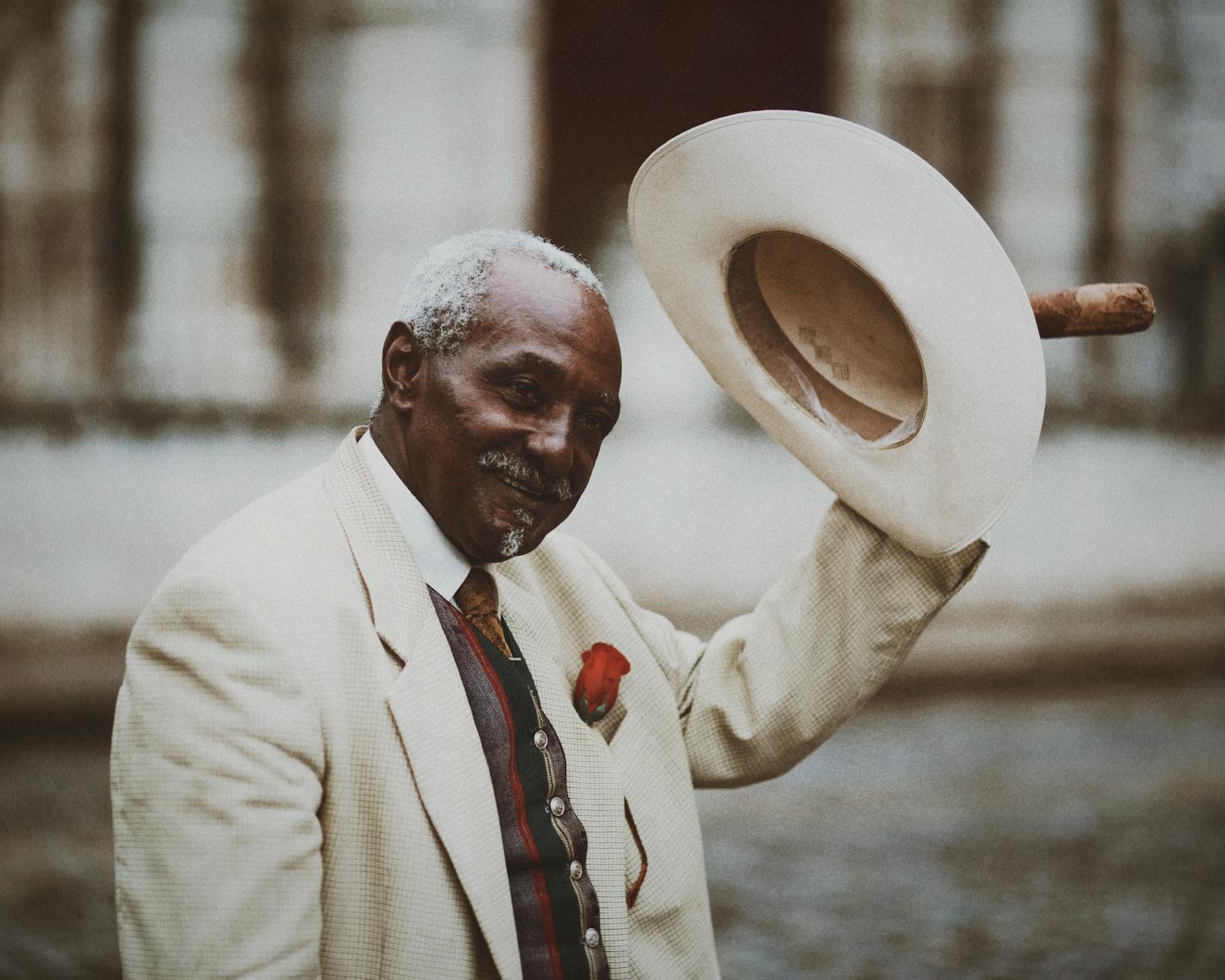
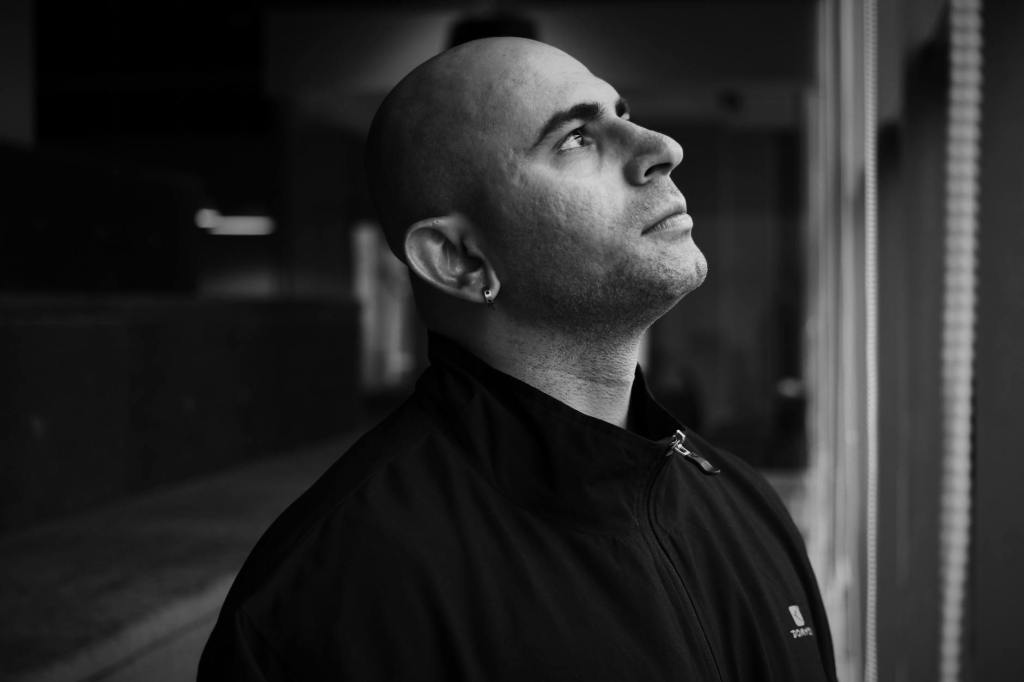
Not my dad btw. But handsome, yes? Oh right, the title.
My dad’s stock phrase was really about our family as well. I had no idea for a long time that my dad, who was actually my step-dad, was NOT my birth father.
When I found out it was disorienting for me and maybe for the 2 of my brothers who were not his children as well.
I was very hurt and angry in the ultra dramatic, 12ish year old way that only a pre-teen or an old-guard Hollywood diva can pull off: all loud sighs and cries.
My emotions roiled underneath, too.
Up until that time, at school, and, in my life in general, I was known as Kimberly Jones. Following what I had, finally, been told, I absolutely insisted on viewing my birth certificate.
**CUE THE DRAMATIC MUSIC **
I saw that I had a different name, and that Daddy’s last name was NOT on my birth certificate!
(We won’t now talk about the curiousity I felt for the person whose name did appear on that document.)
I cannot explain the range of emotions I felt. The main feeling I can remember 100 years later is being bewildered. It seemed that the ground almost literally shifted under my feet. I was out in a terrible storm, alone.

Going forward I had to be known as my birth name and not by my step-father’s last name.
Life smoothed out more quickly on the surface than it did “underneath.” However, when I eventually got beyond the hurt of the lie, I was able to appreciate my dad as my father again.
So, in a way, I also experienced kinship adoption.
Lindsey D. Jones Sr. – my father – loved us, loved our mom, taught us and showed us the value of working hard. mainly though, Daddy taught us to love the LORD with purpose and passion and to serve God faithfully by serving His people.
I NEVER,
EVER
refer to my dad as my step-dad.
He had the “daddest” sense of humor. His gravelly, powerful tenor voice, anchored the quartet he helped to found. He was usually the lead of The Morning Stars Gospel Singers and Daddy’s voice is the one that stands out (to me, anyway) on their single, Wade in the Water.
Although my father was also a flawed man — whose parent is not? — I will forever be grateful for his love, presence and influence in my life.
When people comment that I look like him, I always chuckle. I think he would too.

More next time about adoption from a Christian perspective.




 Help! Love, MOM
We’d love it if you’d leave a comment.